Heritage Hospitality
Adaptive reuse of suitable buildings for boutique accommodation, premium retreats or other permitted hospitality activities.
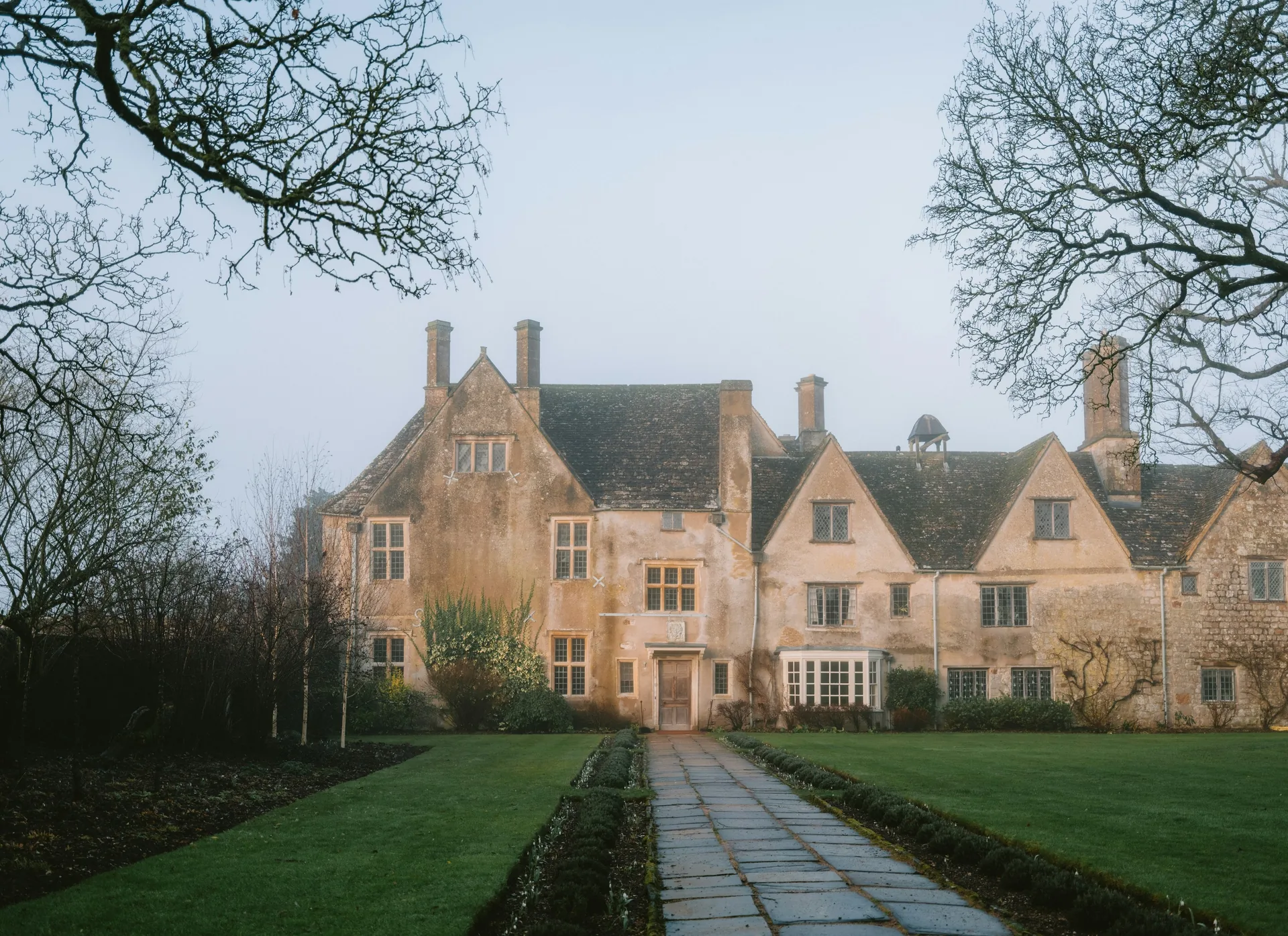
Preserving the Past. Creating a Productive Future.
Reference photograph — not a completed Regenomy project. Photo by Annie Spratt on Unsplash.
Historic estates and legacy properties often embody generations of cultural, architectural and family significance.
They may include distinctive buildings, mature landscapes, agricultural land and infrastructure that are expensive to maintain but difficult to monetize through traditional uses.
For owners seeking to preserve such properties, economic viability can be as important as architectural conservation.
Regenomy Assets explores how heritage estates can accommodate new commercial activities while respecting their identity and long-term significance.
Adaptive reuse of suitable buildings for boutique accommodation, premium retreats or other permitted hospitality activities.
Regional culinary experiences, food heritage, estate gardens and locally integrated dining concepts.
Food forests, gardens, habitat enhancement, water stewardship and productive ecological systems.
Heritage interpretation, workshops, local craftsmanship, culinary education and private cultural programming.
Appropriate restorative experiences, walking landscapes and small-scale wellness destinations.
Historic estates require special consideration.
Potential constraints include:
Our approach begins with an understanding of these obligations and the owner's long-term objectives.
Heritage properties may be owned by families, institutions or investment groups.
Possible development structures include owner-led rehabilitation, long-term partnerships, joint ventures and selective acquisitions.
The aim is to identify a commercially viable future that is compatible with preservation obligations.
Potentially, depending on local planning restrictions, conservation requirements, infrastructure and financial feasibility.
Not necessarily. Adaptive reuse should evaluate how existing architecture can support new activities while respecting applicable preservation requirements.
Potentially, through an appropriate partnership or project-specific structure.
A preliminary asset and regulatory assessment, followed by a commercial and development feasibility review.
We work with owners and long-term investors to evaluate productive new uses for heritage properties while respecting their architectural, cultural and ecological significance.
Discuss Your EstateShare only a preliminary overview. Financial statements and confidential asset information are not required in the initial enquiry.