Regenerative Hospitality
Premium cottages and nature-based accommodation designed to complement the vineyard landscape.
Beyond Wine Production: The Next Generation of Vineyard Destinations
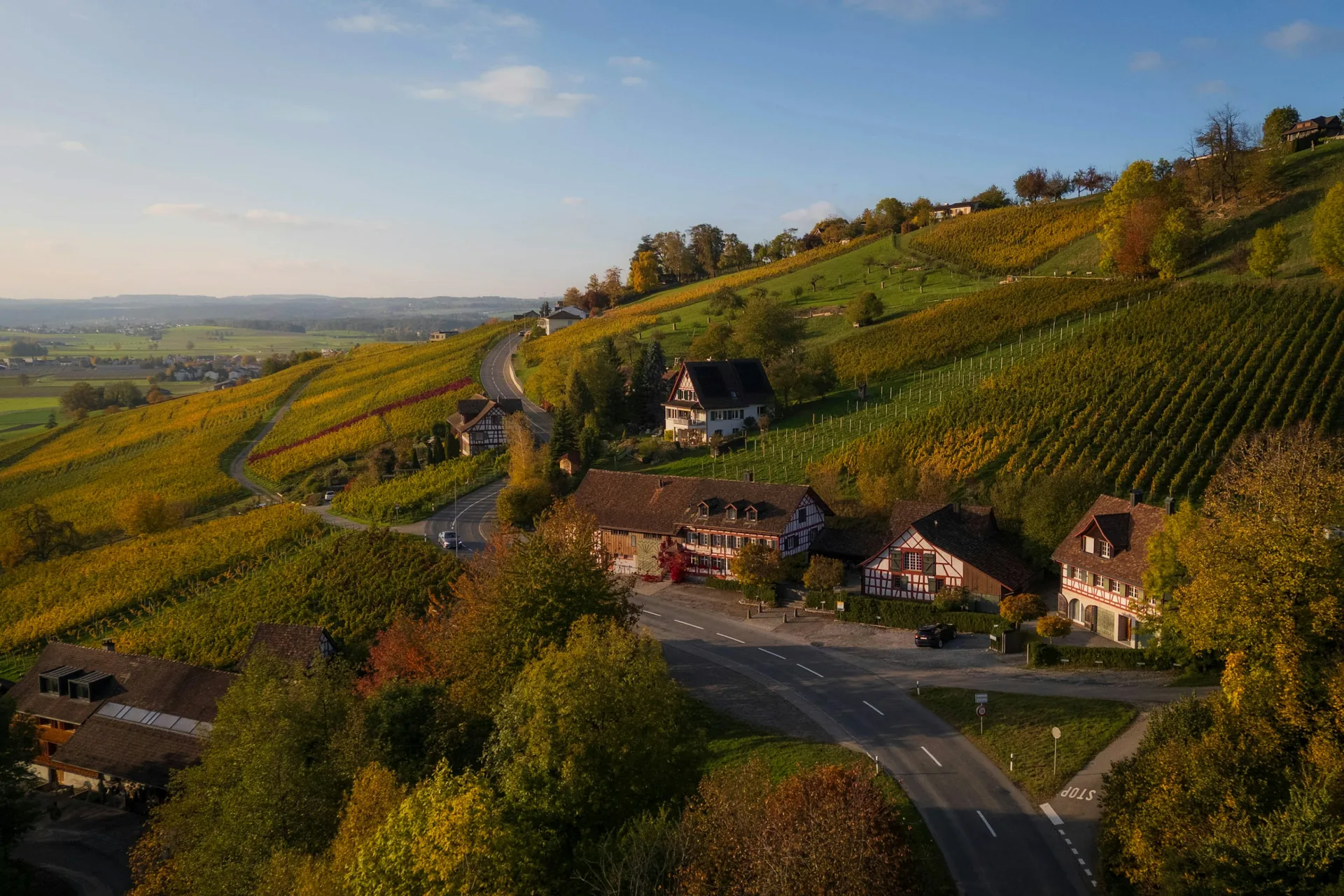
Reference photograph — not a completed Regenomy project. Photo by Pascal Debrunner on Unsplash.
A winery is more than a wine production facility.
It may also be a destination, an agricultural landscape, a hospitality venue, a heritage property and an established consumer brand.
Yet many wineries continue to depend on traditional revenue sources such as wine sales, tasting-room activity and distribution.
As consumer preferences, operating costs and agricultural conditions change, winery owners may need to explore broader economic opportunities.
Regenomy Assets helps winery owners and investors evaluate how existing wine estates can evolve into diversified regenerative destinations.
A wine estate may offer opportunities for:
Premium cottages and nature-based accommodation designed to complement the vineyard landscape.
Regional cuisine, winery dining, Fresco Table experiences, culinary events and farm-to-table programming.
Nature immersion, restorative experiences and thoughtfully designed wellness programming.
Soil improvement, biodiversity, complementary crops, food forests and productive landscape management.
Harvest experiences, wine education, culinary workshops, private events and curated estate visits.
Value-added food products, olive oil, herbs, preserved produce and other commercially appropriate agricultural opportunities.
Instead of depending on a single business, the transformed estate may combine:
The objective is to identify economically compatible revenue streams that strengthen the estate as a whole.
Before proposing redevelopment, we assess:
Some winery owners may prefer to retain ownership and contribute land or existing assets into a development partnership.
Others may consider phased hospitality expansion, operating partnerships, joint ventures or acquisitions.
We evaluate structures that align investor capital, development capabilities and the owner's long-term objectives.
Potentially, subject to local zoning, hospitality permits, access, water, wastewater and other requirements.
No. The decision requires market research, operating forecasts and investment analysis. Hospitality creates additional costs as well as revenue.
No. In many cases, retaining the vineyard's commercial and cultural identity may be central to the transformation strategy.
Potentially, through an appropriate joint venture, phased development or other ownership arrangement.
If you own, develop or invest in a winery or vineyard estate, Regenerative Discovery can help establish whether a broader destination model is commercially and environmentally feasible.
Discuss Your WineryShare only a preliminary overview. Financial statements and confidential asset information are not required in the initial enquiry.